
Sign in
If you do not have an account, click Create AccountCreate Account
Some items are no longer available. Your cart has been updated.
This discount code cannot be used in conjunction with other promotional or discounted offer.
A1: Climate-adaptive football apparel represents a revolutionary leap in sports engineering, moving beyond the static design of traditional uniforms. Unlike a standard jersey designed for average conditions, this next generation of weather-resistant apparel is engineered as a dynamic, responsive system. Its core function is to automatically regulate a player's microclimate based on real-time environmental stressors such as ambient temperature, humidity, solar radiation, and even precipitation levels. Using a combination of advanced material science and intelligent textile structures, these kits actively work to maintain an athlete's optimal thermal balance. Whether mitigating heat stress during a summer tournament in Spain or retaining core warmth during a damp, chilly evening match in the UK, the gear adapts. This makes it true environmental adaptation gear, fundamentally designed to counter specific climatic challenges and sustain peak performance where it would otherwise degrade.
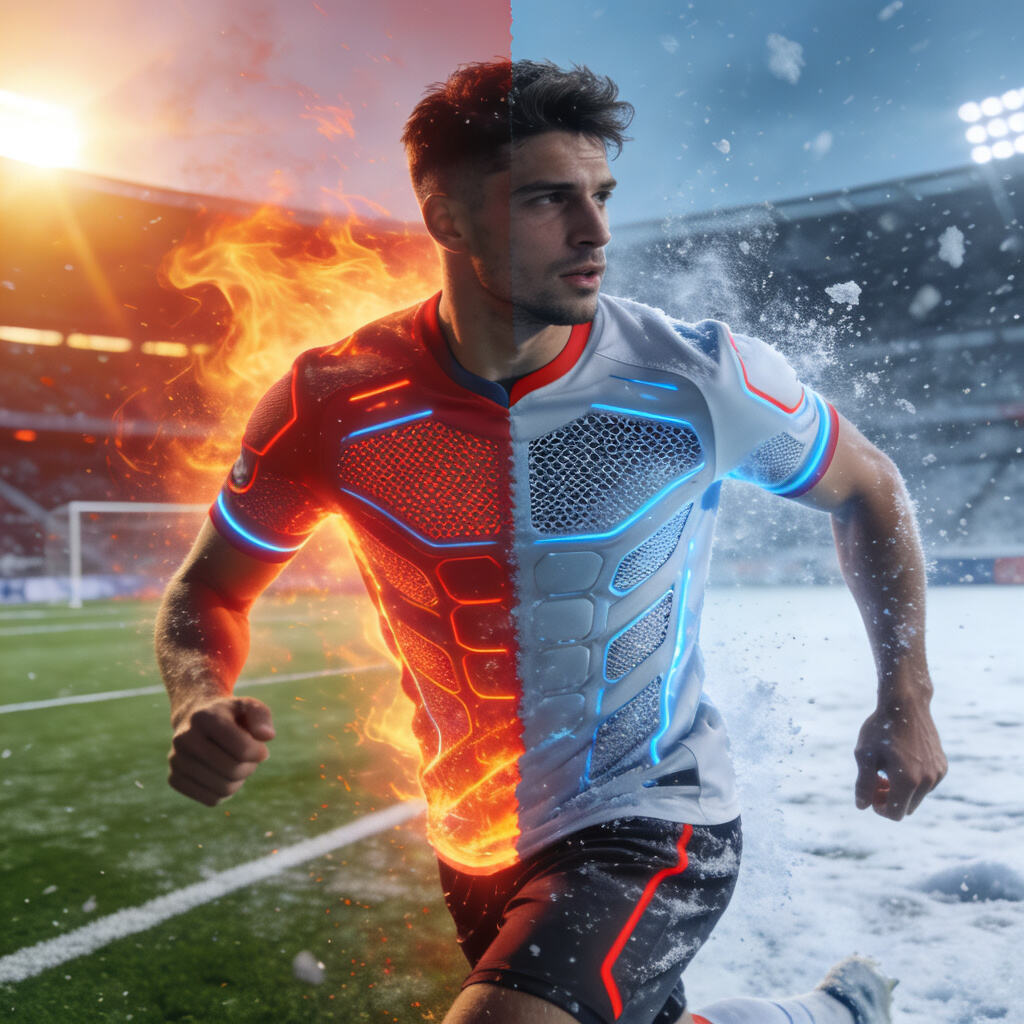
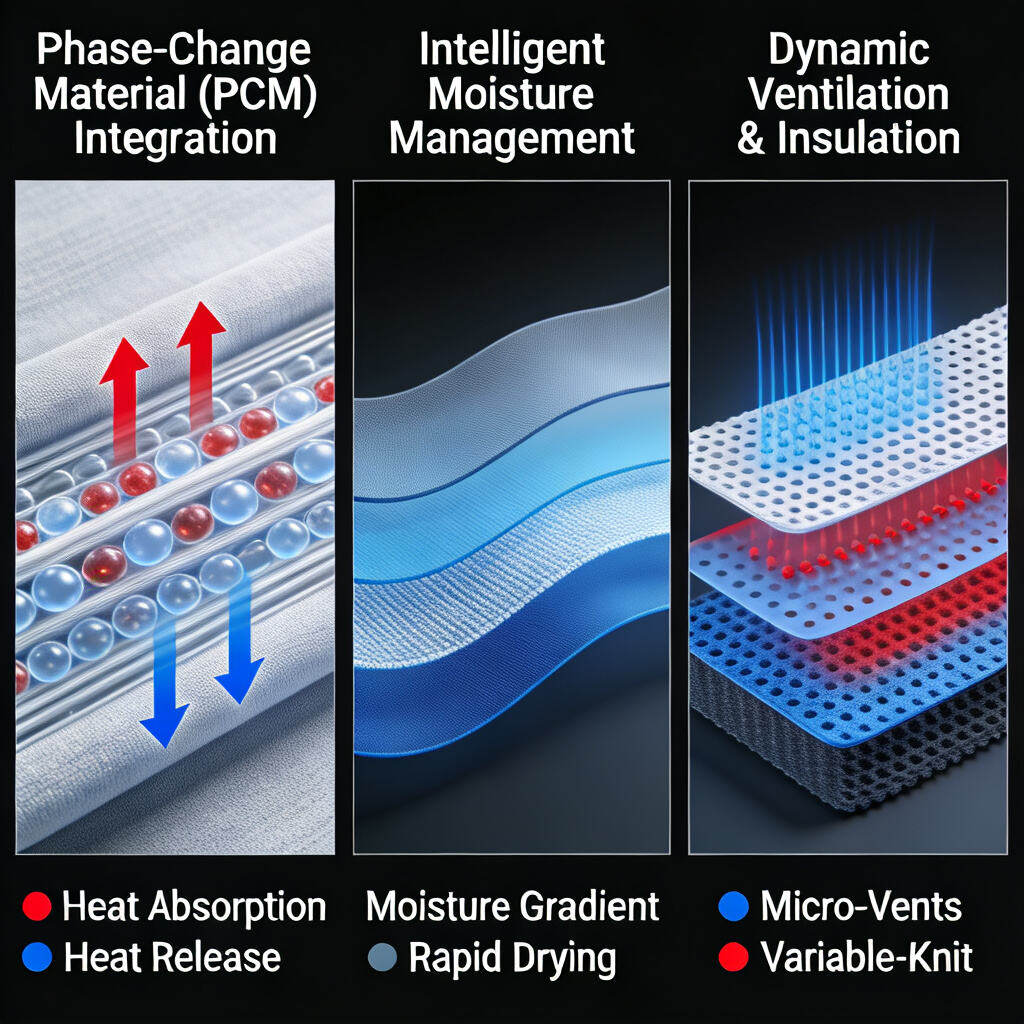
A2: The functionality of a sophisticated temperature control soccer kit is achieved through multiple, often layered, technological approaches:
Phase-Change Material (PCM) Integration: Micro-encapsulated PCMs are embedded within the fabric fibres. These materials absorb excess body heat when a player is active and hot (the PCM melts, storing energy), and then slowly release that stored heat back when the body cools, acting as a thermal buffer. This is key for seasonal performance optimization, smoothing out temperature fluctuations.
Intelligent Moisture Management 2.0: Beyond simple wicking, advanced climate-adaptive jerseys use bi-component fabrics or smart coatings. These create a "gradient-drying" effect, where the inner layer rapidly pulls sweat away, while the outer layer's structure accelerates evaporation in dry heat or slows it in high humidity, intelligently using the environment for cooling.
Dynamic Ventilation & Insulation: Through environmental stress analysis, designers map zones on the kit. Areas with laser-perforated micro-vents or variable-knit structures open up to increase airflow in heat, while other zones with brushed, trapped-air linings or infrared-reflective finishes provide passive warmth in cold conditions. This creates a single seasonal football shirt capable of functioning across a wide temperature range.
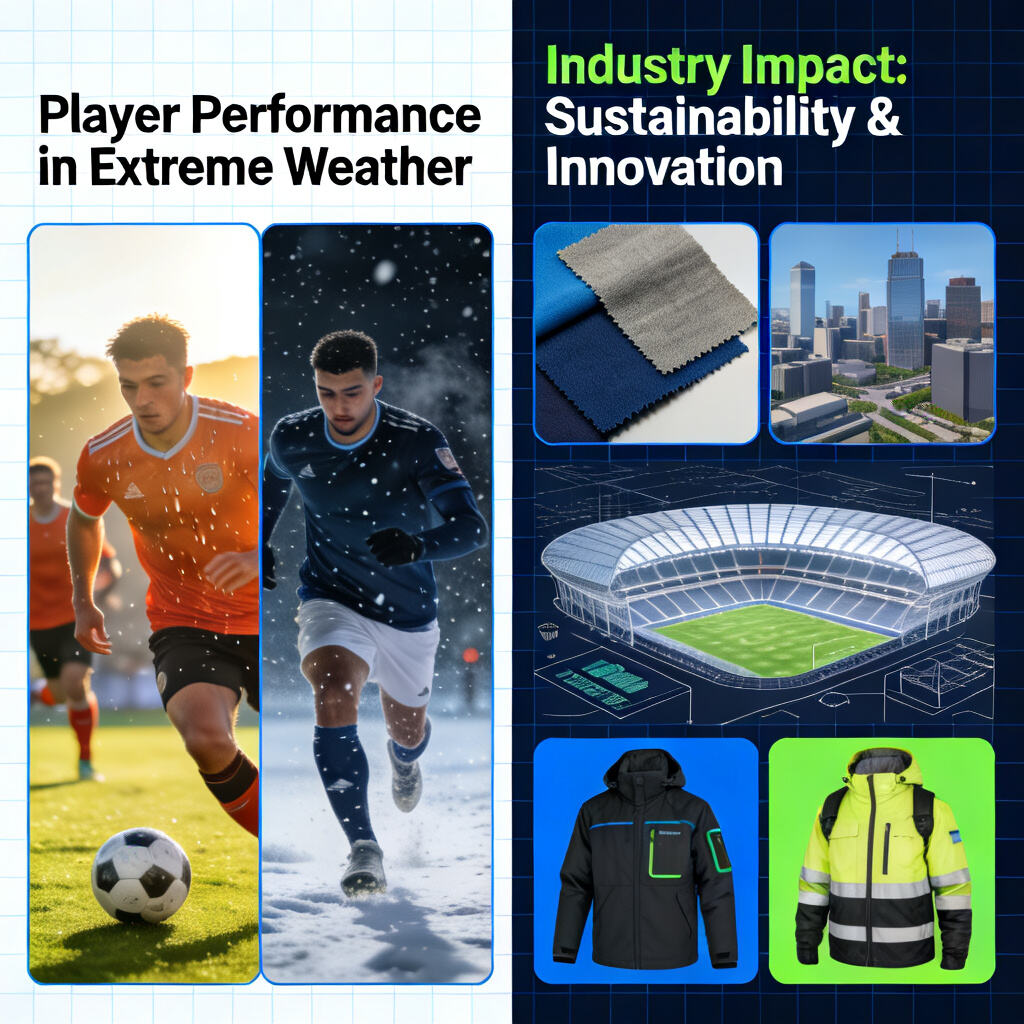
A3: The impact is tangible on and off the pitch. For the athlete, the primary benefit is consistency. By mitigating the performance-sapping effects of environmental extremes—reducing dehydration and heat strain in summer, minimizing muscle stiffness and energy loss in cold—the kit allows for a more stable and sustained physical output. This directly influences tactical options, as players can maintain high-intensity pressing or rapid transitions for longer periods regardless of the weather, a key factor in seasonal performance optimization.
Beyond elite sport, this climate adaptation technology drives the entire apparel industry towards greater sustainability and intelligence. The principles of creating multi-seasonal, durable weather-resistant apparel reduce the need for consumers to purchase separate kits for summer and winter, aligning with circular economy goals. Furthermore, the data gathered from environmental stress analysis on athletes feeds back into urban planning and workplace safety, informing designs for better ventilated stadiums and protective gear for outdoor workers. Thus, the climate-adaptive jersey evolves from a high-performance tool into a catalyst for broader technological and environmental adaptation.
Comment